Breast health, for both women and men, goes hand in hand with a flowing lymphatic system. It is one of the most overlooked parts of how breast tissue stays comfortable and free of built-up fluid, and it is easier to understand than most people expect. Here is how the two connect, a gentle check you can do at home, and where manual lymphatic drainage (MLD) fits in, especially before and after breast surgery. Adapted from an article Sharon wrote for Natural Awakenings, October 2024.
Think of it like a kitchen sink
The lymphatic system is your body's own way of clearing fluid and cellular waste. It runs on a network of thin vessels, small filtering stations called lymph nodes, and organs like the spleen and liver, moving a watery fluid called lymph through the tissues. When that flow is easy, the tissue stays comfortable. When it slows or backs up, fluid pools and problems can follow.
The lymphatics of the breast work like a sink with the tap running and the drain open. Clean fluid flows in, used fluid drains out. If the strainer clogs, water builds up in the basin, and the same thing happens with lymph. When the underarm becomes puffy and congested, the breast tissue can be next to hold fluid.
A gentle self-check at home
Lift one arm and look at your underarm in the mirror. Does it feel full, almost like a small water balloon leading toward the breast tissue? Massage gently from the breast toward the underarm, and up to the collarbone, noticing whether the tissue feels tender along the way. Tenderness can be one sign that fluid is backing up, though tenderness has more than one cause, so it is always worth mentioning to your doctor.
This self-check is not a substitute for a clinical breast exam. If you ever notice a lump, a thickening, dimpling, nipple discharge, or any change that does not settle, contact your doctor promptly.
Simple movement helps the fluid that tends to pool under the arm. Slow, rotating arm circles use the underarm muscles to move it along, and light skin sweeping from the underarm toward the sternum nudges fluid like a siphon. Gentle is the key word. This is soft, skin-level work, never deep pressure.
What your lymphatic system is doing
As you eat and drink, your body breaks food down and absorbs it into the blood. As blood circulates, a watery fluid escapes the vessels to bathe and nourish every cell. The lymphatic system collects that fluid again, along with cellular waste, and carries it to the lymph nodes and kidneys, which filter it. In a real sense, this is part of how the body clears itself. It is not a detox in the way the word gets used in marketing. It is simply fluid moving the way your body is built to move it.
What can slow breast lymphatic flow
Everyday things affect the current more than most people realize: illness, biopsies, sitting for long stretches, tight or underwire bras, and of course surgery. Since the body is roughly sixty percent fluid, being aware of where you tend to swell, before and after any procedure, matters. If you are preparing for or recovering from breast surgery, this is exactly what a Certified Lymphedema Therapist is trained to watch for.
Breast surgery and the lymphatic system
Breast surgery generally falls into two categories, and both affect lymphatic flow, because every incision, removal, and course of treatment can disrupt the tissue's drainage.
Breast conservation removes the tumor and sometimes a few nearby lymph nodes. It is the less invasive route and often does not require reconstruction, a little like clearing a single stalled car off a highway.
A mastectomy is more involved and usually includes reconstruction, either right away or later, closer to rebuilding the whole road. Reconstruction can use an implant, sometimes with a tissue expander placed first and gradually filled to make room, or it can use your own tissue, where muscle from a nearby area is moved to rebuild the breast. Many people feel real fear before these surgeries, and it helps to know you are not alone in that.
Where a lymphatic therapist fits in
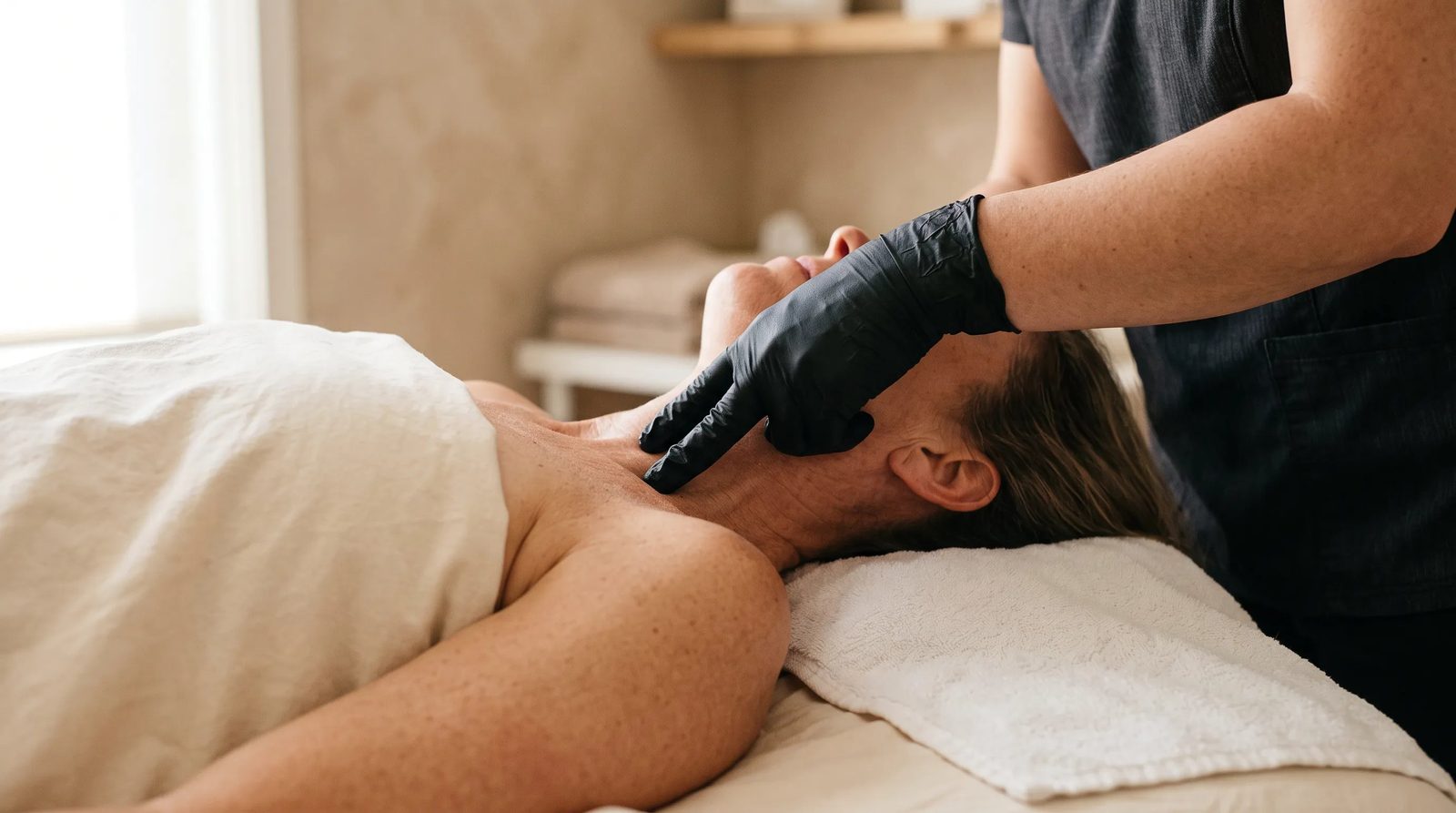
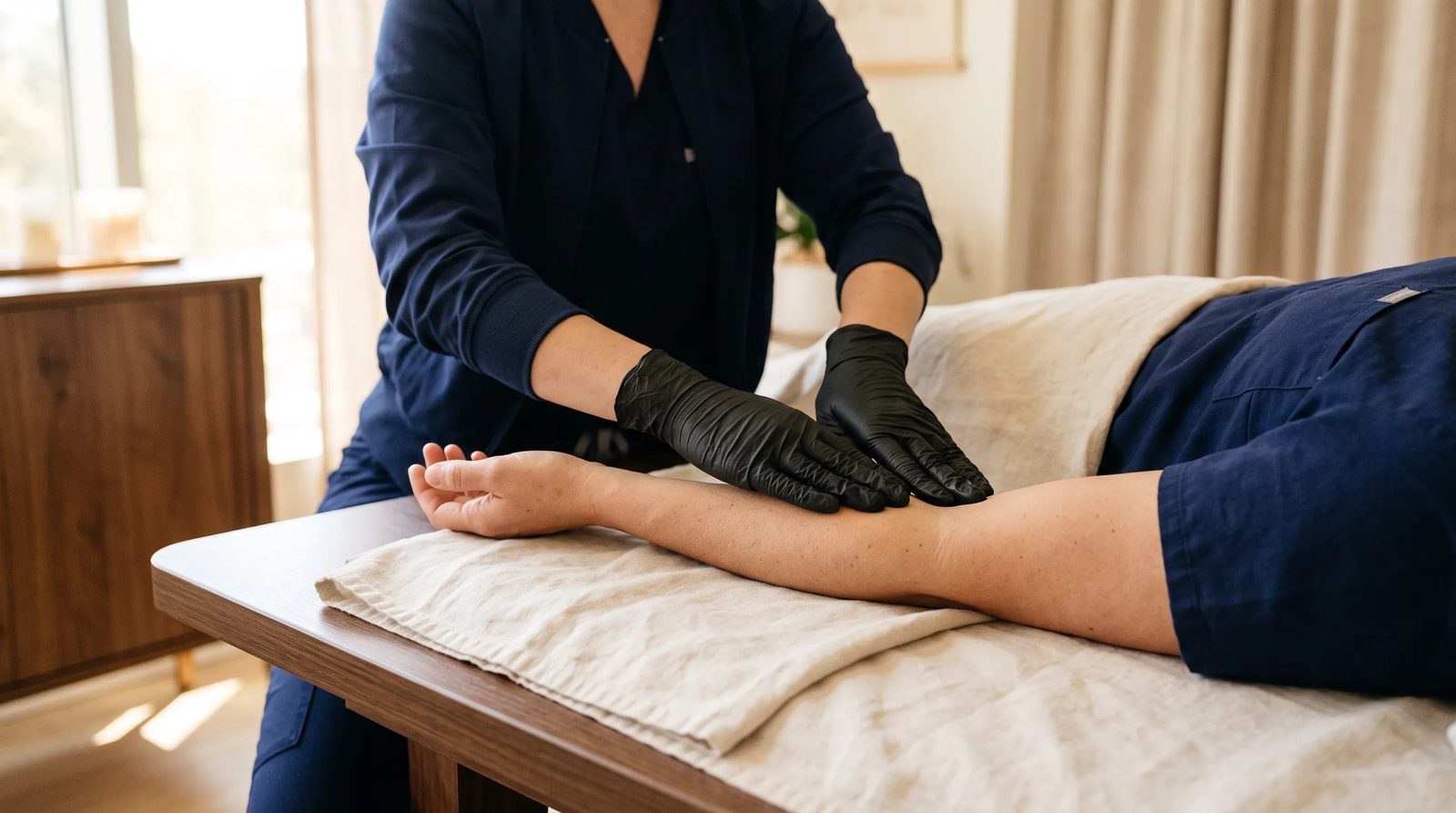
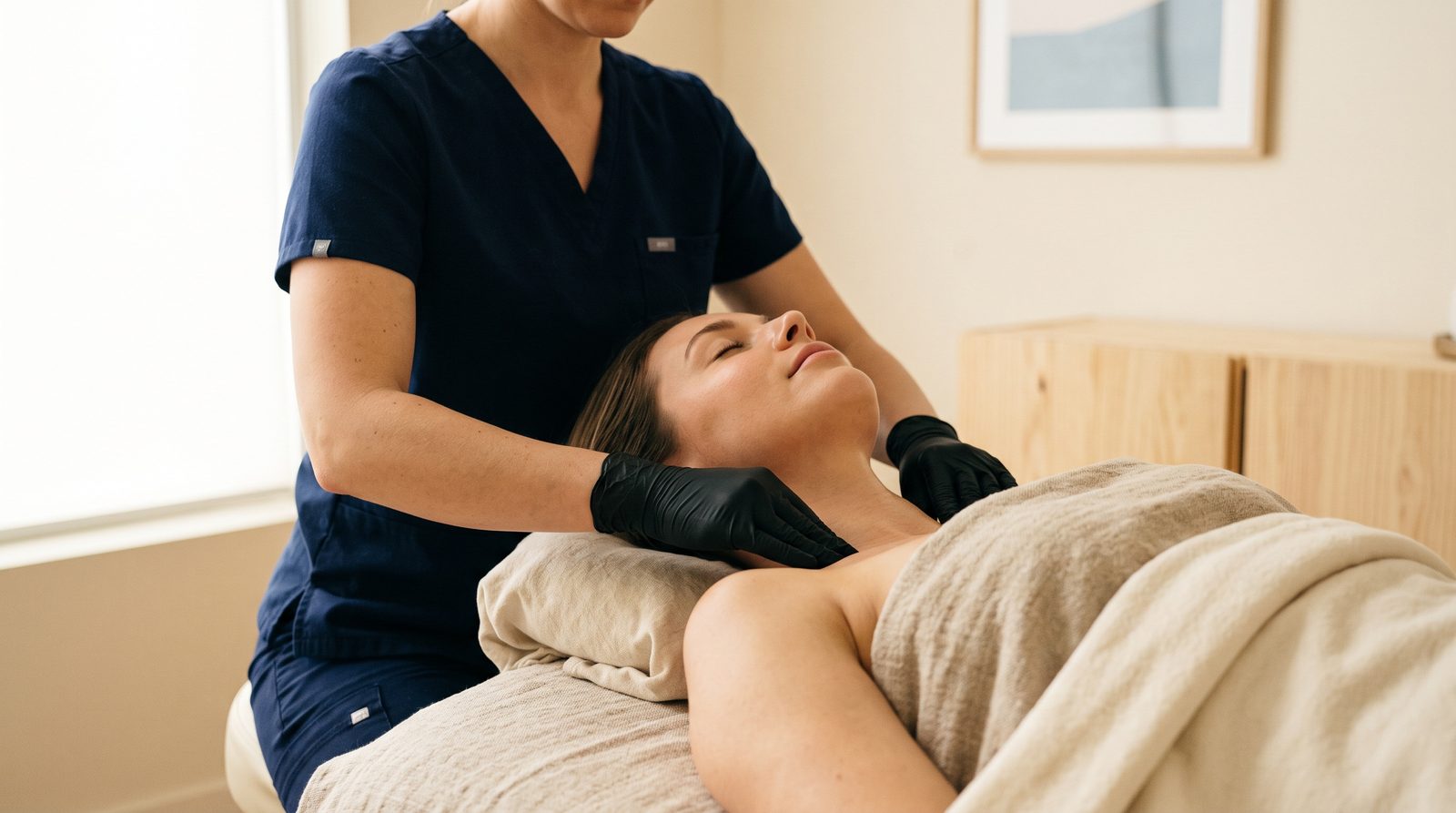
Through all of it, a flowing lymphatic system supports a healing body. The most important steps are simple: talk with your doctor about your own risk factors and care plan, and work with a licensed therapist who understands lymphatics. At National Lymphatic Centers, MLD is gentle, skin-level medical massage at the heart of the Vogel Method, and it supports the natural movement of fluid, which can ease the swelling and tightness that often come with surgery and recovery. It is a learned technique, done best on a regular basis, as part of the care your medical team guides.
Frequently Asked Questions
Can lymphatic drainage help before and after breast surgery?
Many patients use gentle MLD to support fluid movement and comfort before and after breast surgery. It does not replace your medical care. We coordinate with your doctor and care team, and we are honest about who is and is not a candidate.
Is this a detox?
No. Moving lymph is simply helping fluid drain the way your body is designed to. We do not sell detox as a promise. The honest benefit is gentle, clinical drainage that follows how the lymphatic system actually works.